
Sand, Salt & Bulk Material Storage Buildings
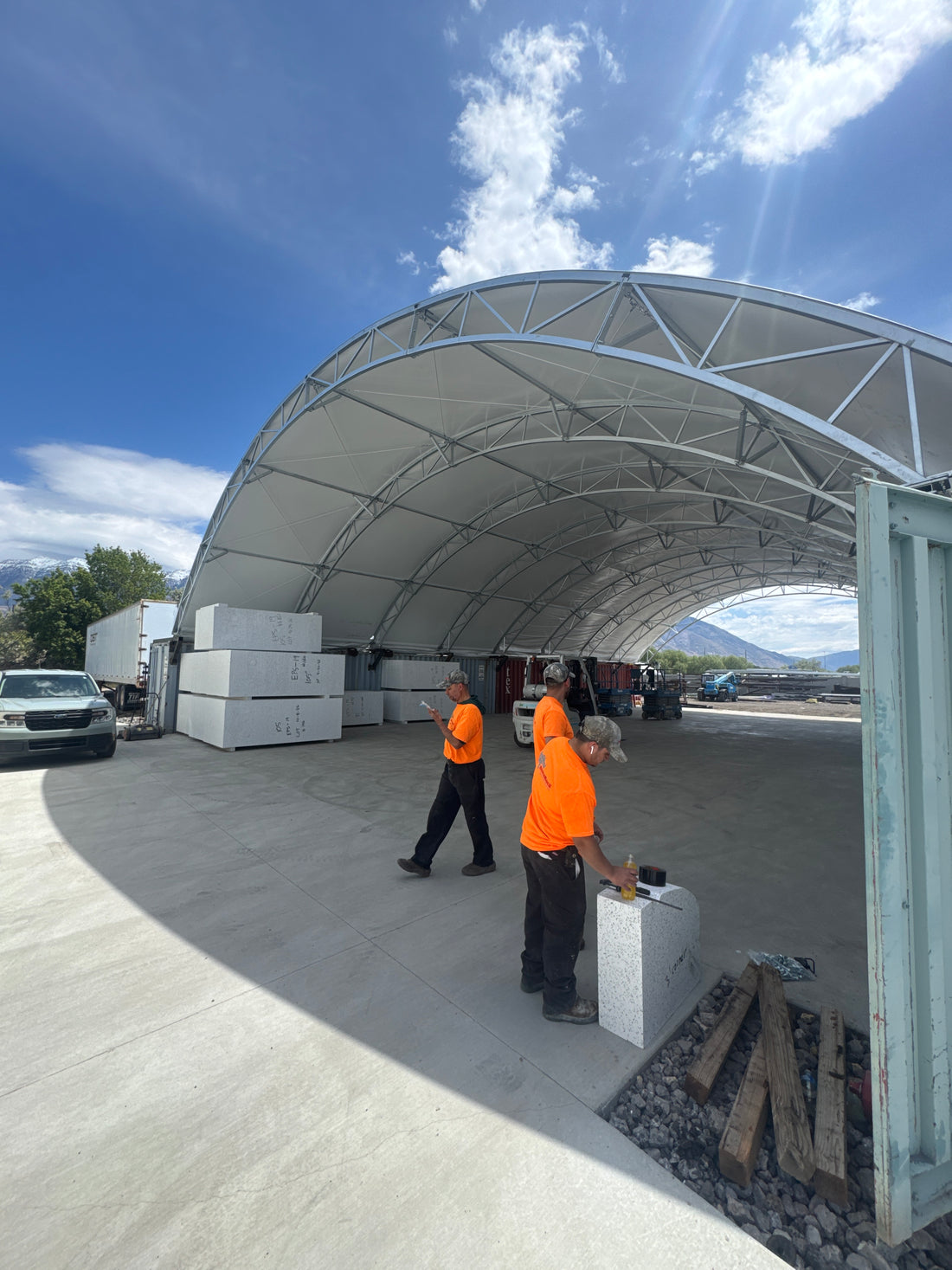
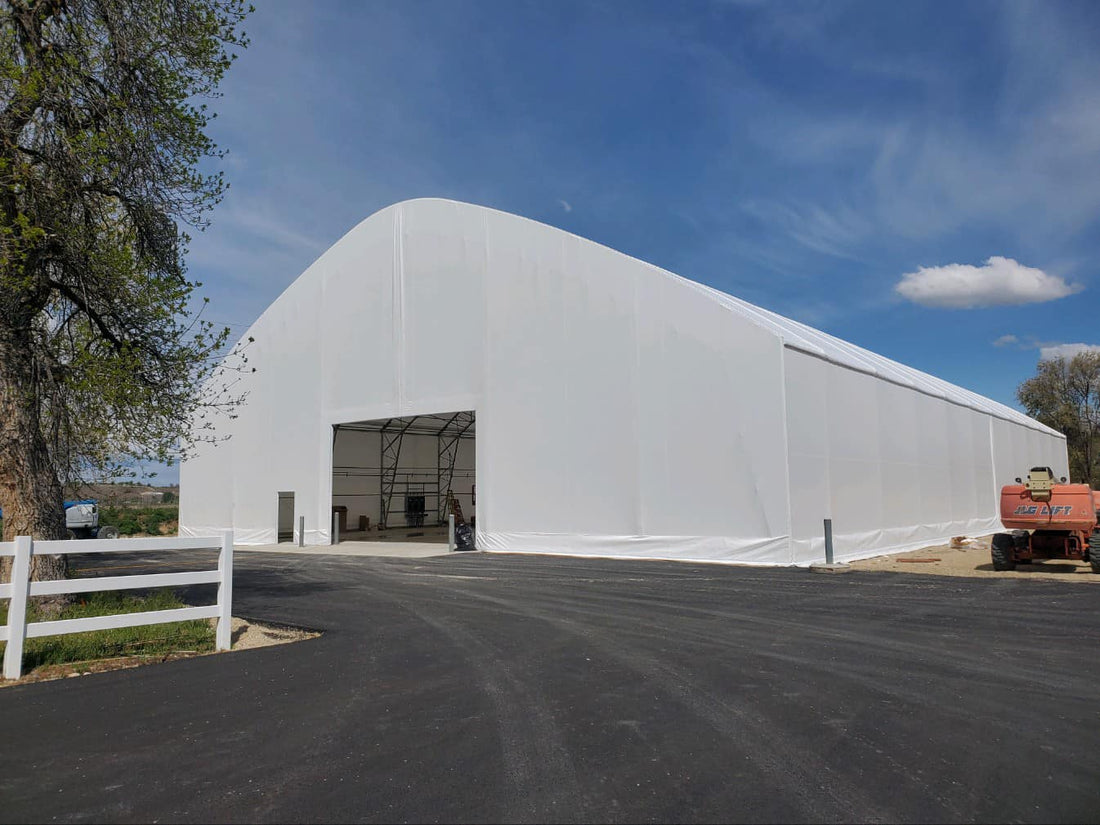
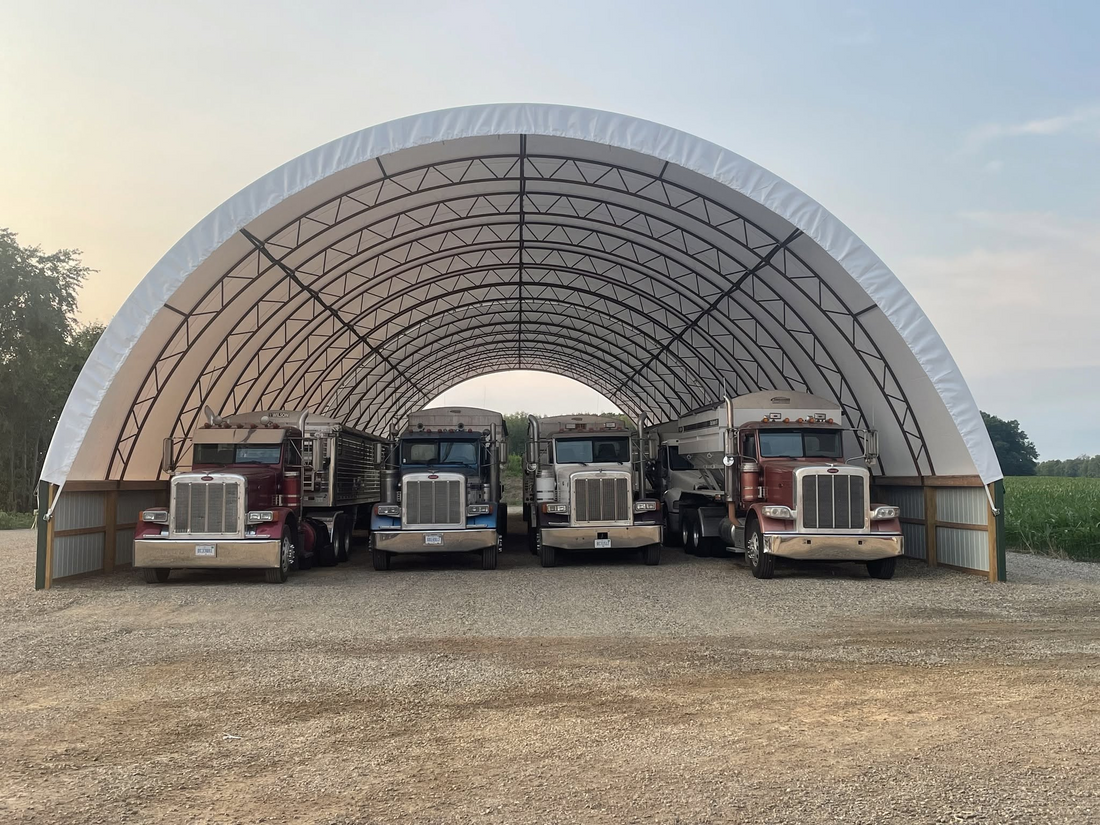
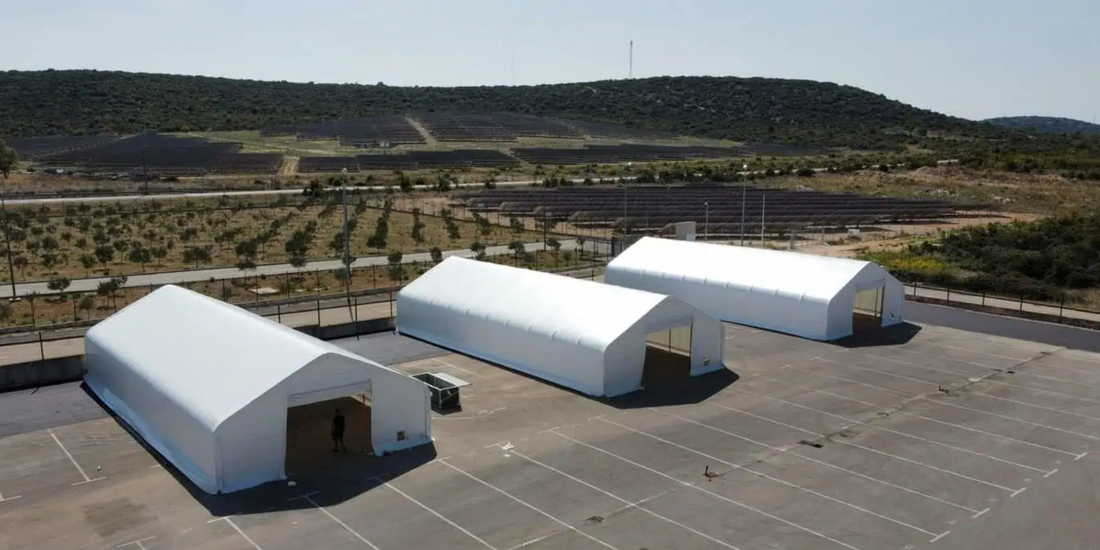
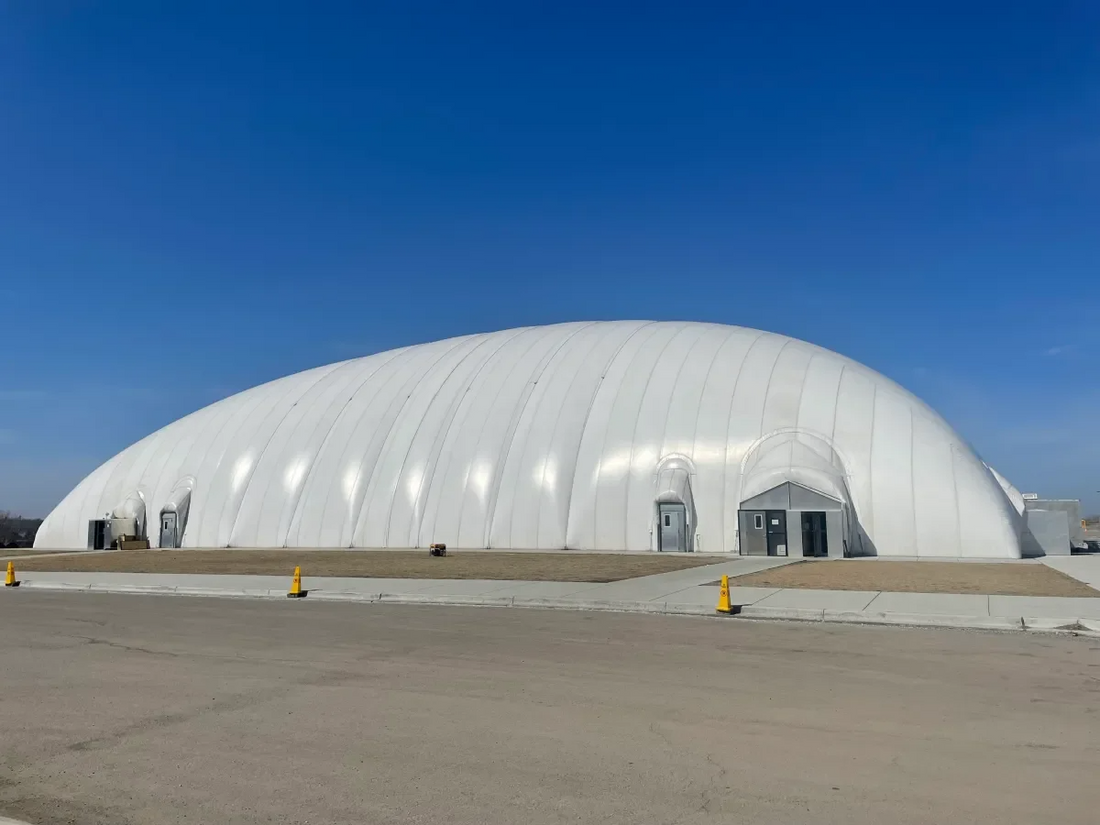
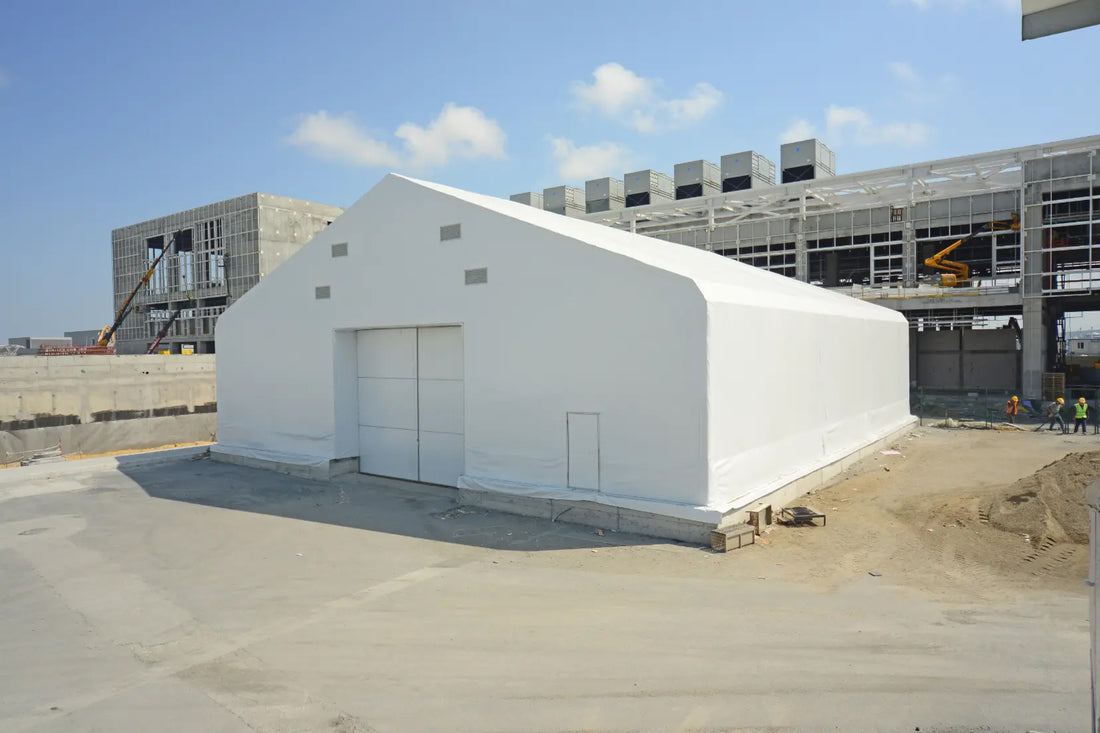
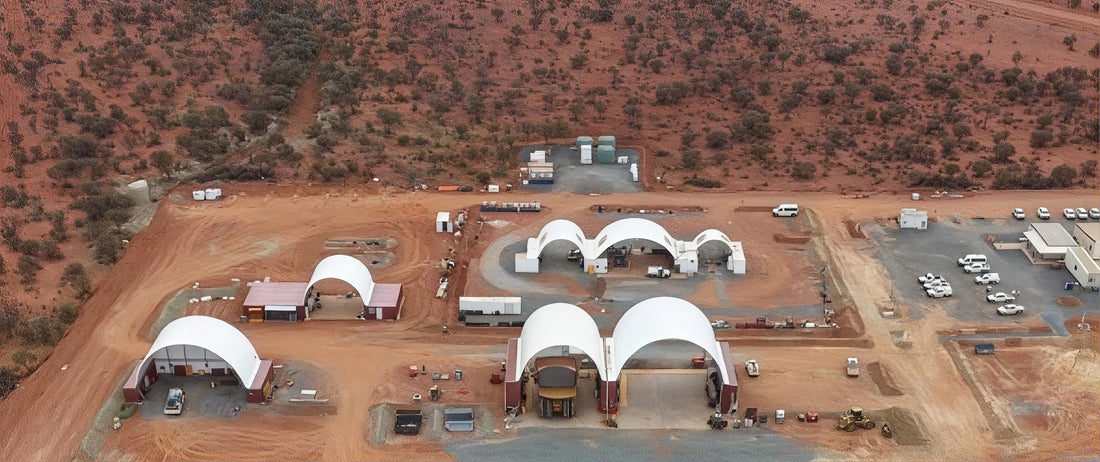
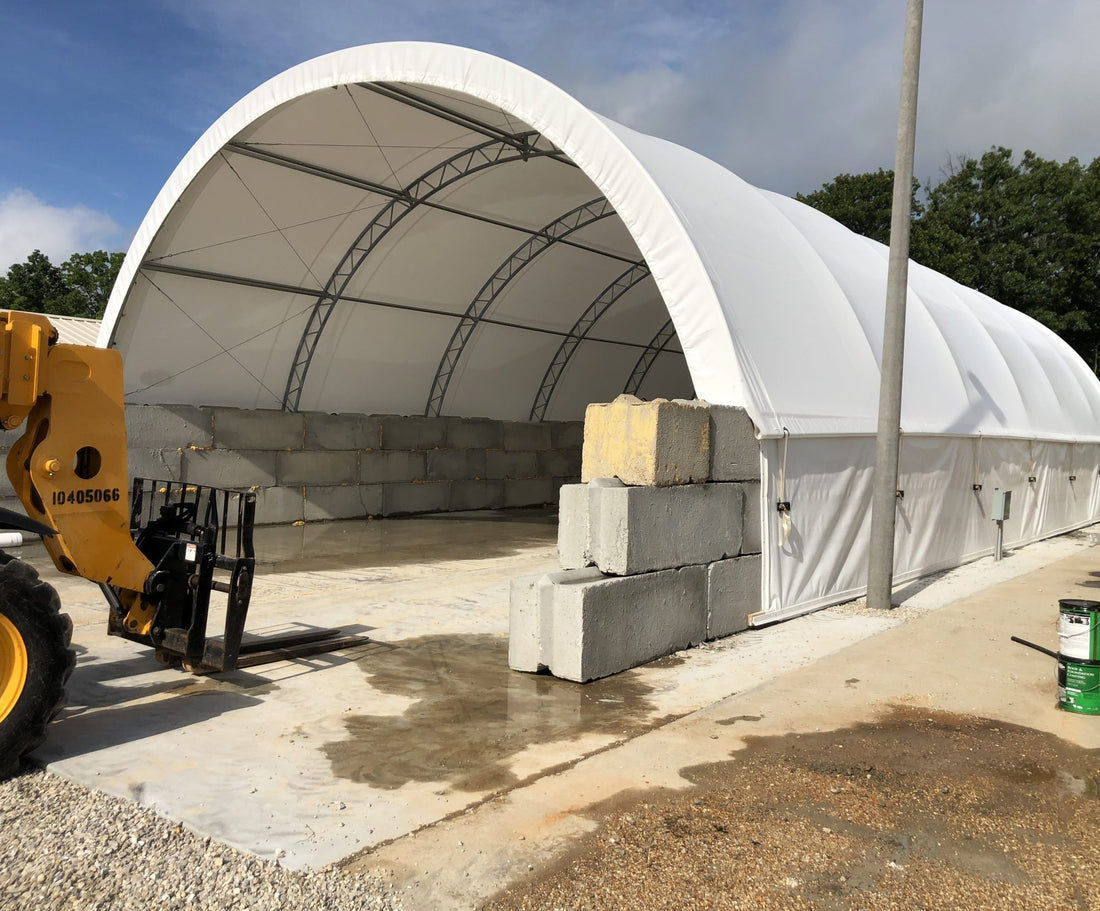
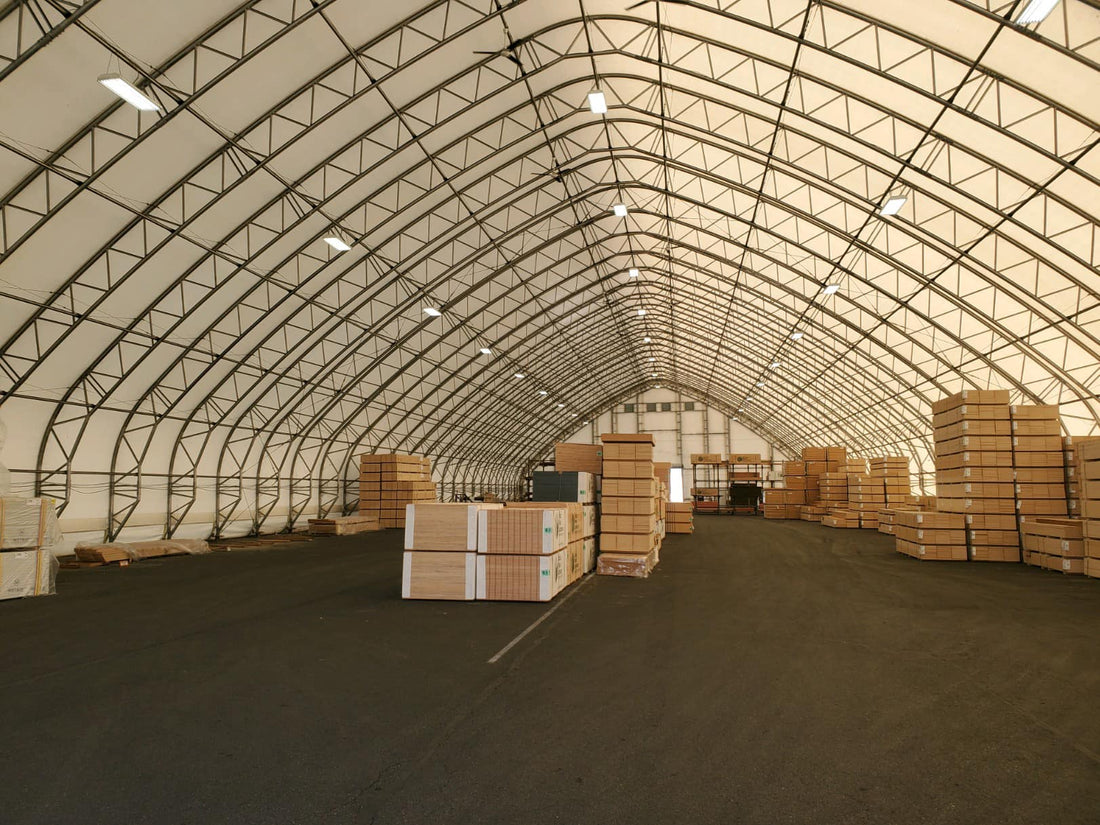
Sheltirx sand and salt storage buildings provide covered space for road-treatment materials, aggregates and other bulk commodities. We plan the structure around stockpile volume, loader access, truck movement and the site requirements that come with handling large quantities of material.
Get a quoteBulk Material Storage Buildings
for Municipal & Industrial Use
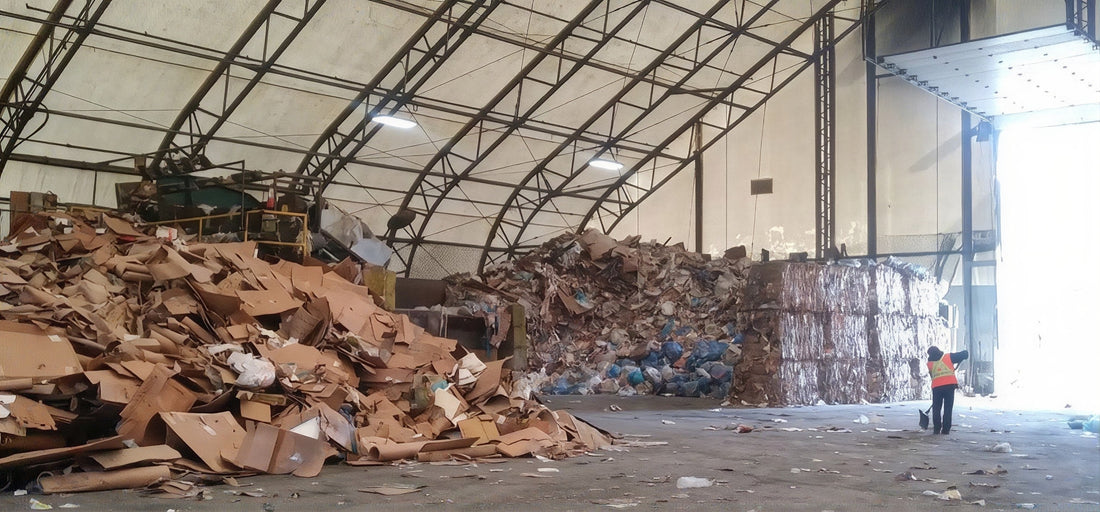
Bulk materials need storage space sized for both the pile and the equipment moving it. Public works departments may store road salt and sand for winter service, while industrial sites may need covered areas for aggregates, recycled material or other commodities. Our buildings can be configured around the quantity handled, material flow and available site.
- Sand Storage Buildings
- Salt Storage Buildings
- Road Deicing Materials
- Aggregate & Bulk Materials
- Fertilizer & Agricultural Inputs
- Material Loading & Mixing
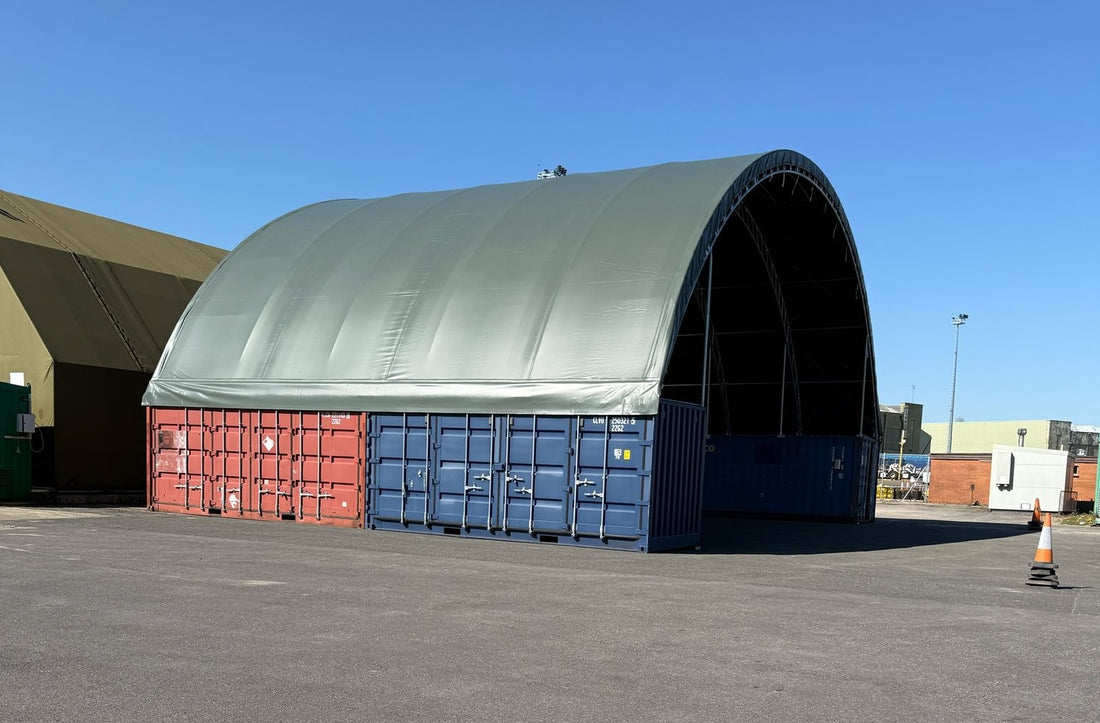
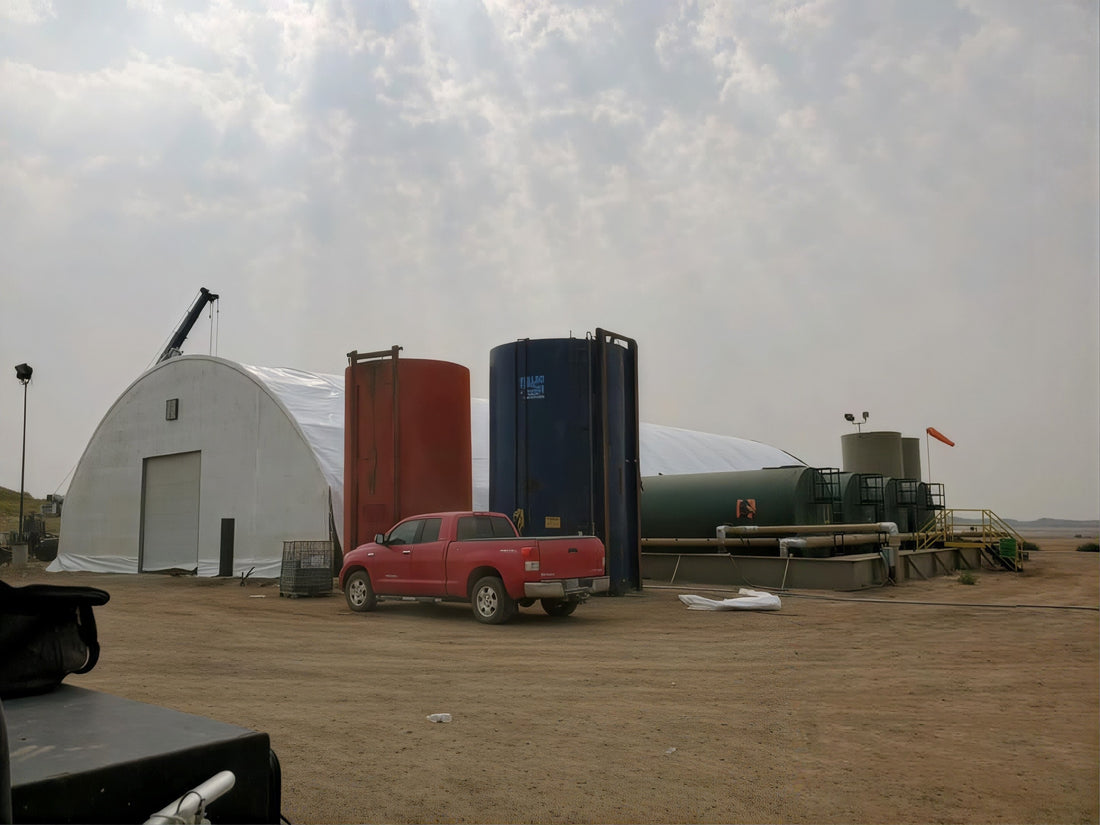
A bulk storage structure should be planned around the actual material and handling process. Some facilities need open ends for loader movement; others need enclosure to control access or provide additional protection.
Useful capacity depends on pile dimensions, the material’s angle of repose, available floor area and the method used to load and remove it. A building that fits the required volume on paper may still be inefficient if the loader cannot turn, reach the pile or load a truck without repeated repositioning.
We plan around the stockpile footprint, equipment height, loader travel path, truck access and door or end-wall openings. If several materials are stored under one roof, the layout should account for separation between piles and the movement needed to prevent cross-contamination. The design should also preserve access for inspection and clean-up.
For salt and sand mixing operations, allow room for the mixing process as well as storage. Equipment, material piles and truck routes should be positioned so the workflow remains practical through peak seasonal demand.
Rain, snow and wind can change the condition of exposed bulk materials and complicate loading. A covered building helps reduce direct weather exposure and keeps the material-handling area more defined. It does not replace the need to plan moisture control, drainage or any material-specific storage requirements.
Salt storage deserves particular attention because salt-laden runoff can damage surrounding surfaces and affect nearby soil or water systems. Foundation, drainage, containment and enclosure details should be coordinated with the material being stored and the applicable environmental rules for the site.
The floor or ground surface must also suit the stored material and equipment loads. Whether a project uses an existing hardstand, concrete or another engineered support arrangement depends on the site and the building specification.
Bulk material buildings can carry substantial environmental and operational demands. We can engineer the structure around site-specific wind and snow loads, building dimensions, openings, foundation conditions, anchoring and applicable local building codes.
Delivery trucks and loaders need clear access during normal operation and during construction. Site planning should include turning space, queueing or unloading areas where required, and a route for moving material without crossing other work zones. Engineering documentation can be provided where the project calls for drawings and structural calculations, including PE-stamped documents where applicable.
Our structures use hot-dip galvanized steel framing for corrosion resistance and long-term structural performance. The building design should reflect the stored material, handling equipment, exposure conditions and the requirements for access, drainage and enclosure.
Our published fabric building coverage includes a 20-year structural guarantee, a 10-year fabric guarantee and a 5-year spare-parts warranty, subject to the selected configuration and applicable terms. Inspection and maintenance of the frame, cover, anchors and drainage areas help keep the facility suitable for continued use.
If bulk materials have different contamination or moisture sensitivities, identify the materials that need separate bays or individual compartments before fixing the building layout. The planned storage height and equipment reach should also be checked against the actual operating method, rather than relying only on a total tonnage target.
Frequently asked questions
What are sand and salt storage buildings used for?
They provide covered space for road deicing salt, sand, aggregates and other bulk materials handled by municipal, transportation and industrial operations.
How is bulk material storage capacity determined?
Capacity depends on pile footprint and height, material characteristics, building dimensions, loading method and space needed for equipment to reach and remove the material.
What should be considered for salt storage buildings?
Plan for stockpile volume, loader access, floor conditions, enclosure, drainage and containment so salt-laden runoff is managed according to site and environmental requirements.
Are open-ended buildings suitable for bulk materials?
Open ends can support loader and truck movement, while enclosed designs may suit other site needs. The layout depends on material handling, weather exposure and access requirements.
Can different bulk materials share one building?
They may share a structure when the layout provides appropriate separation, adequate capacity and a handling process that limits cross-contamination.
What materials can be stored under cover?
Applications may include sand, road salt, aggregates, recycled materials, fertilizer and other bulk commodities, subject to their specific storage and environmental requirements.
How are building loads and site conditions addressed?
We can engineer the structure for applicable wind and snow loads, foundations, anchoring, openings and local building requirements.
Does a bulk storage building replace material-handling design?
No. Stockpile dimensions, loader routes, truck access, drainage, containment and the material’s handling requirements should be planned alongside the building.
Protect Your Bulk Material Supply
Create covered capacity for road salt, sand and other bulk materials with a building configured around stockpile volume and handling equipment. Provide the material type, target capacity, loader and truck requirements, site layout and installation location so the building can be planned for the job.